KNOWLEDGE BAG OF BIOCHEMISTRY

Wednesday, 1 April 2015

"HEPATITIS a Viral Disease & its Types"


What Is Hepatitis?

Hepatitis is an inflammation of the liver. It may be caused by drugs, alcohol use, or certain medical conditions. But in most cases, it's caused by a virus. This is known as viral hepatitis, and the most common forms are hepatitis A, B, and C.

Difference between Hepatitis B & C

Hepatitis B and C have some similarities to each other, but also a number of important differences.  Like any form of hepatitis they both attack the liver, sometimes causing serious liver damage. They can both be transmitted by blood to blood contact with an infected person.  They are both treatable with medication, which is improving all the time and this means that those infected with either hepatitis B or C can usually live a long and healthy life with a few lifestyle changes.  There are similarities in the some of the ways in which you might become infected, including sharing needles or equipment used to inject drugs (including steroids); through infected blood products; passed on from mother to child and more.

However, there are also a number of important differences between hepatitis B and hepatitis C.

Transmission

Hepatitis C can only be transmitted through blood to blood contact with an infected person. Only in extremely rare cases can it be passed on through bodily fluids (there have been some reports of men co-infected with HIV passing on hepatitis C during sex).  In Scotland the most common means of transmission of hepatitis C is sharing equipment used for injecting drug use.
 If you have been infected with hepatitis C and successfully cleared the virus - this does not mean that you are now immune and cannot be re-infected.  You can be re-infected with the same strain again, or infected with more than one strain at any given time

Hepatits B can be transmitted through blood to blood contact, but is more commonly transmitted through bodily fluids - particularly during sex. In Scotland the most common means of transmission is mother to child transmission during birth.  All pregnant mothers in Scotland are now screened for hepatitis B because if the mother is infected, it is very important that a child receive the hepatitis B vaccine at birth to give the best chance of protecting against a lifelong hepatitis B infection.

If you have previously been infected with hepatitis B and successfully cleared the virus you are now immune and cannot become infected again.

Vaccines and Treatment

There is no vaccine for hepatitis C, but there are now very effective treatments which can cure up to 80% of those infected depending on the strain of the virus they have.  Around 20% of those who are infected with hepatitis C clear the infection naturally during the acute phase (first six months) and do not develop a chronic infection requiring treatment.

There is a vaccine for hepatitis B which can prevent you from becoming infected.  However, for those who develop a chronic infection - there is no medical cure.  You may be able to live a healthy life with the virus not severly damaging your liver, or you may require treatment to keep the virus under control.  95% of those infected with hepatitis B as adults clear the virus naturally. However, 90% of children infected under 12 months of age who do not receive the vaccine will develop a chronic/lifelong infection.


Tuesday, 31 March 2015

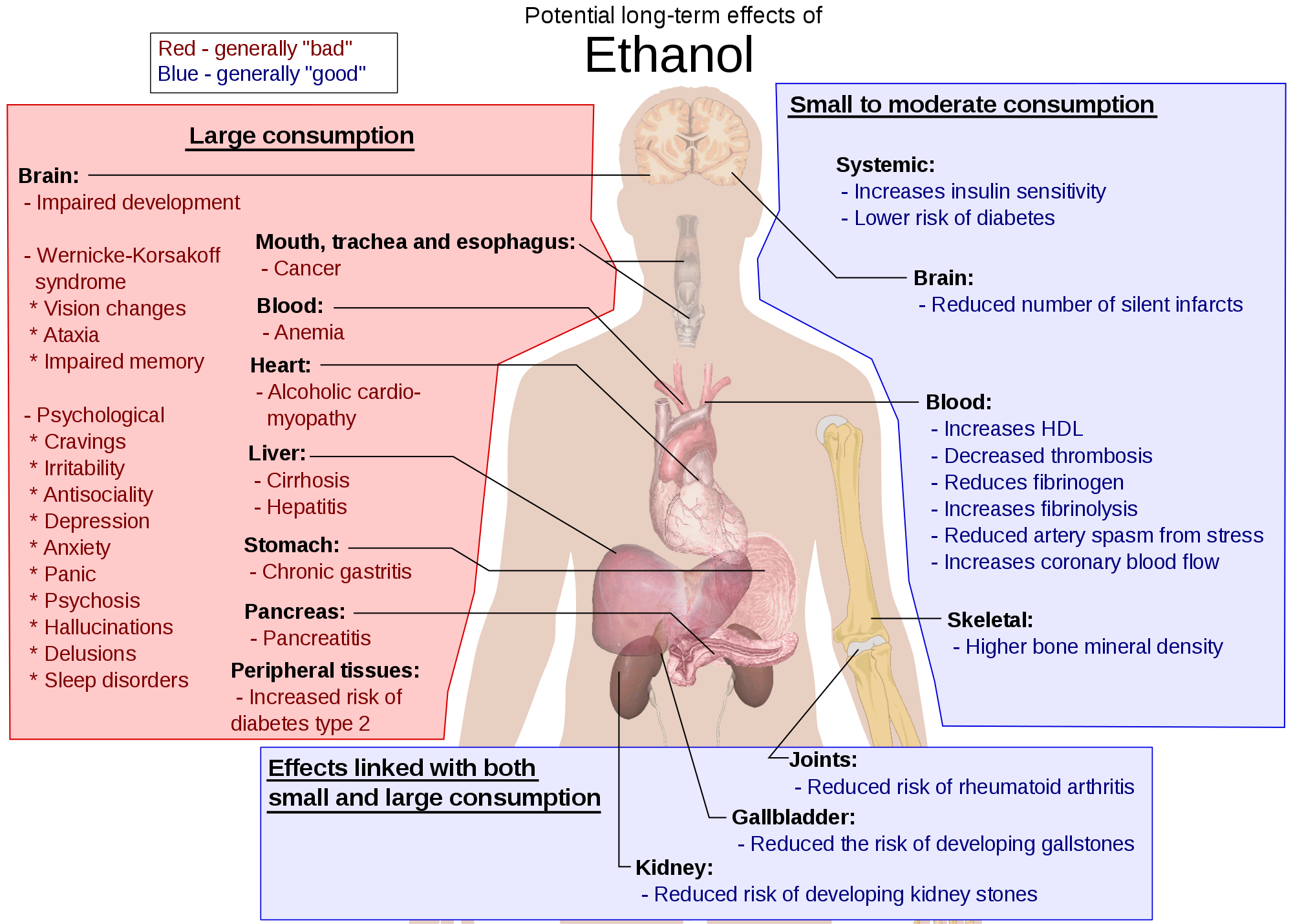
Restoring IL-17 may treat skin infections related to chronic alcohol consumption

Summary:
Alcoholism takes a toll on every aspect of a person's life, including skin problems. Now, a new research report helps explain why this happens and what might be done to address it. "The clinical association between alcoholism and severe skin infection is well established," said one expert. "The ability to experimentally model skin immune deficiencies that occur in chronic alcoholics opens up new avenues to test immune-based therapies to better protect this population and thereby limit the spread of infectious disease to the broader community as well."
Alcoholism takes a toll on every aspect of a person's life, including skin problems. Now, a new research report appearing in the April 2015 issue of the Journal of Leukocyte Biology, helps explain why this happens and what might be done to address it. In the report, researchers used mice show how chronic alcohol intake compromises the skin's protective immune response. They also were able to show how certain interventions may improve the skin's immune response. Ultimately, the hope is that this research could aid in the development of immune-based therapies to combat skin infection in people who chronically consume alcohol.

"The clinical association between alcoholism and severe skin infection is well established," said Corey P. Parlet, Ph.D., a researcher involved in the work from the Department of Pathology at the University of Iowa, Carver College of Medicine, Iowa City, Iowa. "The ability to experimentally model skin immune deficiencies that occur in chronic alcoholics opens up new avenues to test immune-based therapies to better protect this population and thereby limit the spread of infectious disease to the broader community as well."
To make their discovery, scientists administered either drinking water consisting of a 20 percent ethanol/water solution or plain water. After 12 weeks on this fluid regimen, with a regular solid food diet, infection outcomes and host defense responses were assessed in mice that were given a skin infection with Staphylococcus aureus (S. aureus). They found that ethanol-consuming mice demonstrated increased illness, including greater weight loss, larger skin lesions and increased bacterial burden. The exacerbation of clinical disease corresponded with an inability to maintain immune cell numbers and activity at the site of infection, especially neutrophils, which are required to heal the infection. Interleukin-17 normally promotes the entry of neutrophils into the skin and their function there. This molecule was reduced in the skin of ethanol-consuming mice. By restoring IL-17 levels, the skin injury in mice was reduced and bacterial clearance defects were improved.
"Co-morbidities associated with chronic alcohol consumption often receive less research attention, yet have significant impact on overall quality of life, healthcare costs and potential infectious disease transmission," said John Wherry, Ph.D., Deputy Editor of the Journal of Leukocyte Biology. "These new studies, together with greater understanding of how to clinically manipulate IL-17 mediated immune responses may lead to new treatment opportunities for alcoholism-associated skin infections.
"

Body Mass Index In Adults (BMI Calculator for Adults)

Body Mass Index CalculatorThe benefits of maintaining a healthy weight go far beyond improved energy and smaller clothing sizes. By losing weight or maintaining a healthy weight, you are also likely to enjoy these quality-of-life factors too.


  • Fewer joint and muscle pains
  • More energy and greater ability to join in desired activities
  • Better regulation of bodily fluids and blood pressure
  • Reduced burden on your heart and circulatory system
  • Better sleep patterns
  • Reductions in blood triglycerides, blood glucose, and risk of developing type 2 diabetes
  • Reduced risk for heart disease and certain cancers
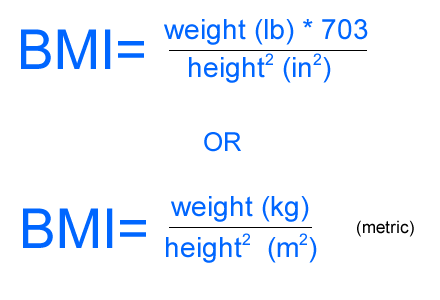
BMI is an indicator of the amount of body fat for most people. It is used as a screening tool to identify whether an adult is at a healthy weight. Find your BMI and what it means with our handy BMI Calculator. A separate BMI Percentile Calculator should be used for children and teens that takes a child’s age and gender into consideration.
  • BMI stands for Body Mass Index
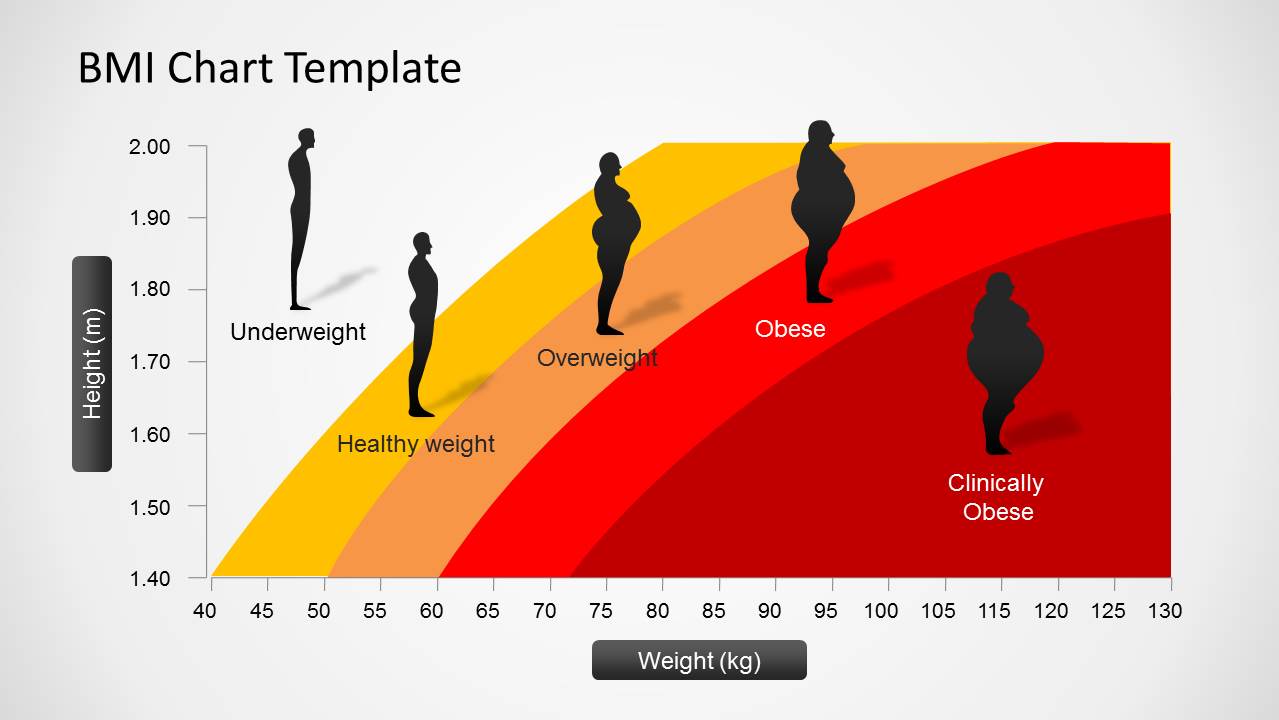
    This is a numerical value of your weight in relation to your height. A BMI between 18.5 and 25 kg/m² indicates a normal weight. A BMI of less than 18.5 kg/m² is considered underweight. A BMI between 25 kg/m² and 29.9 kg/m² is considered overweight. A BMI of 30 kg/m² or higher is considered obese.
     
  • Excess weight increases the heart's work.
    It also raises blood pressure and blood cholesterol and triglyceride levels and lowers HDL (good) cholesterol levels. It can make diabetes more likely to develop, too. Lifestyle changes that help you maintain a 3-5% weight loss are likely to result in clinically meaningful improvements in blood glucose, triglycerides, and risk of developing type 2 diabetes. Greater weight loss can even help reduce BP and improve blood cholesterol.
     
  • To calculate your BMI:

    • Type your height and weight into the calculator.
    • Select a status option if you're under 20 years old, highly trained/athletic, pregnant or breastfeeding. If one of these situations applies to you, the BMI may not be the best method of assessing your risk from overweight or obesity.

Monday, 30 March 2015

"HEALTHY DIET CHARTS"

'Lightning bolts' in brain show learning in action

SUMMARY:Researchers have captured images of the underlying biological activity within brain cells and their tree-like extensions, or dendrites, in mice that show how their brains sort, store and make sense out of information during learning "We believe our study provides important insights into how the brain deals with vast amounts of information continuously as the brain learns new tasks," says senior study investigator and neuroscientist Wen-Biao Gan, PhD.
Gan, a professor at NYU Langone and its Skirball Institute for Biomolecular Medicine, says, "we have long wondered how the brain can store new information continuously throughout life without disrupting previously acquired memories. We now know that the generation of calcium spikes in separate branches of nerve cells is critical for the brain to encode and store large quantities of information without interfering with each other."
Lead study investigator Joseph Cichon, a neuroscience doctoral candidate at NYU Langone, says their discoveries could have important implications for explaining the underlying neural circuit problems in disorders like autism and schizophrenia. Cichon says the team's next steps are to see if calcium ion spikes are malfunctioning in animal models of these brain disorders.
Among the study's key findings was that learning motor tasks such as running forward and backward induced completely separate patterns of lightning bolt-like activity in the dendrites of brain cells. These lightning bolts triggered a chain-like reaction, which changed the strength of connections between neurons.
The study also identified a unique cell type in the brain that controlled where the lightning bolts were generated. When these cells were turned off, lightning bolt patterns in the brain were disrupted, and as a result, the animal lost the information it had just learned


Long-standing mystery in membrane traffic solved

The Korea Advanced Institute of Science and Technology (KAIST)
Summary:
In 2013, James E. Rothman, Randy W. Schekman, and Thomas C. Südhof won the Nobel Prize in Physiology or Medicine for their discoveries of molecular machineries for vesicle trafficking, a major transport system in cells for maintaining cellular processes. SNARE proteins are known as the minimal machinery for membrane fusion. Scientists now report that NSF/?-SNAP disassemble a single SNARE complex using various single-molecule biophysical methods that allow them to monitor and manipulate individual protein complexes.
 2013, James E. Rothman, Randy W. Schekman, and Thomas C. Südhof won the Nobel Prize in Physiology or Medicine for their discoveries of molecular machineries for vesicle trafficking, a major transport system in cells for maintaining cellular processes. Vesicle traffic acts as a kind of "home-delivery service" in cells. Vesicles package and deliver materials such as proteins and hormones from one cell organelle to another. Then it releases its contents by fusing with the target organelle's membrane. One example of vesicle traffic is in neuronal communications, where neurotransmitters are released from a neuron. Some of the key proteins for vesicle traffic discovered by the Nobel Prize winners were N-ethylmaleimide-sensitive factor (NSF), alpha-soluble NSF attachment protein (α-SNAP), and soluble SNAP receptors (SNAREs).

SNARE proteins are known as the minimal machinery for membrane fusion. To induce membrane fusion, the proteins combine to form a SNARE complex in a four helical bundle, and NSF and α-SNAP disassemble the SNARE complex for reuse. In particular, NSF can bind an energy source molecule, adenosine triphosphate (ATP), and the ATP-bound NSF develops internal tension via cleavage of ATP. This process is used to exert great force on SNARE complexes, eventually pulling them apart. However, although about 30 years have passed since the Nobel Prize winners' discovery, how NSF/α-SNAP disassembled the SNARE complex remained a mystery to scientists due to a lack in methodology.
In a recent issue of Science, published on March 27, 2015, a research team, led by Tae-Young Yoon of the Department of Physics at the Korea Advanced Institute of Science and Technology (KAIST) and Reinhard Jahn of the Department of Neurobiology of the Max-Planck-Institute for Biophysical Chemistry, reports that NSF/α-SNAP disassemble a single SNARE complex using various single-molecule biophysical methods that allow them to monitor and manipulate individual protein complexes.
"We have learned that NSF releases energy in a burst within 20 milliseconds to "tear" the SNARE complex apart in a one-step global unfolding reaction, which is immediately followed by the release of SNARE proteins," said Yoon.
Previously, it was believed that NSF disassembled a SNARE complex by unwinding it in a processive manner. Also, largely unexplained was how many cycles of ATP hydrolysis were required and how these cycles were connected to the disassembly of the SNARE complex.
Yoon added, "From our research, we found that NSF requires hydrolysis of ATPs that were already bound before it attached to the SNAREs--which means that only one round of an ATP turnover is sufficient for SNARE complex disassembly. Moreover, this is possible because NSF pulls a SNARE complex apart by building up the energy from individual ATPs and releasing it at once, yielding a "spring-loaded" mechanism."
NSF is a member of the ATPases associated with various cellular activities family (AAA+ ATPase), which is essential for many cellular functions such as DNA replication and protein degradation, membrane fusion, microtubule severing, peroxisome biogenesis, signal transduction, and the regulation of gene expression. This research has added valuable new insights and hints for studying AAA+ ATPase proteins, which are crucial for various living being
s